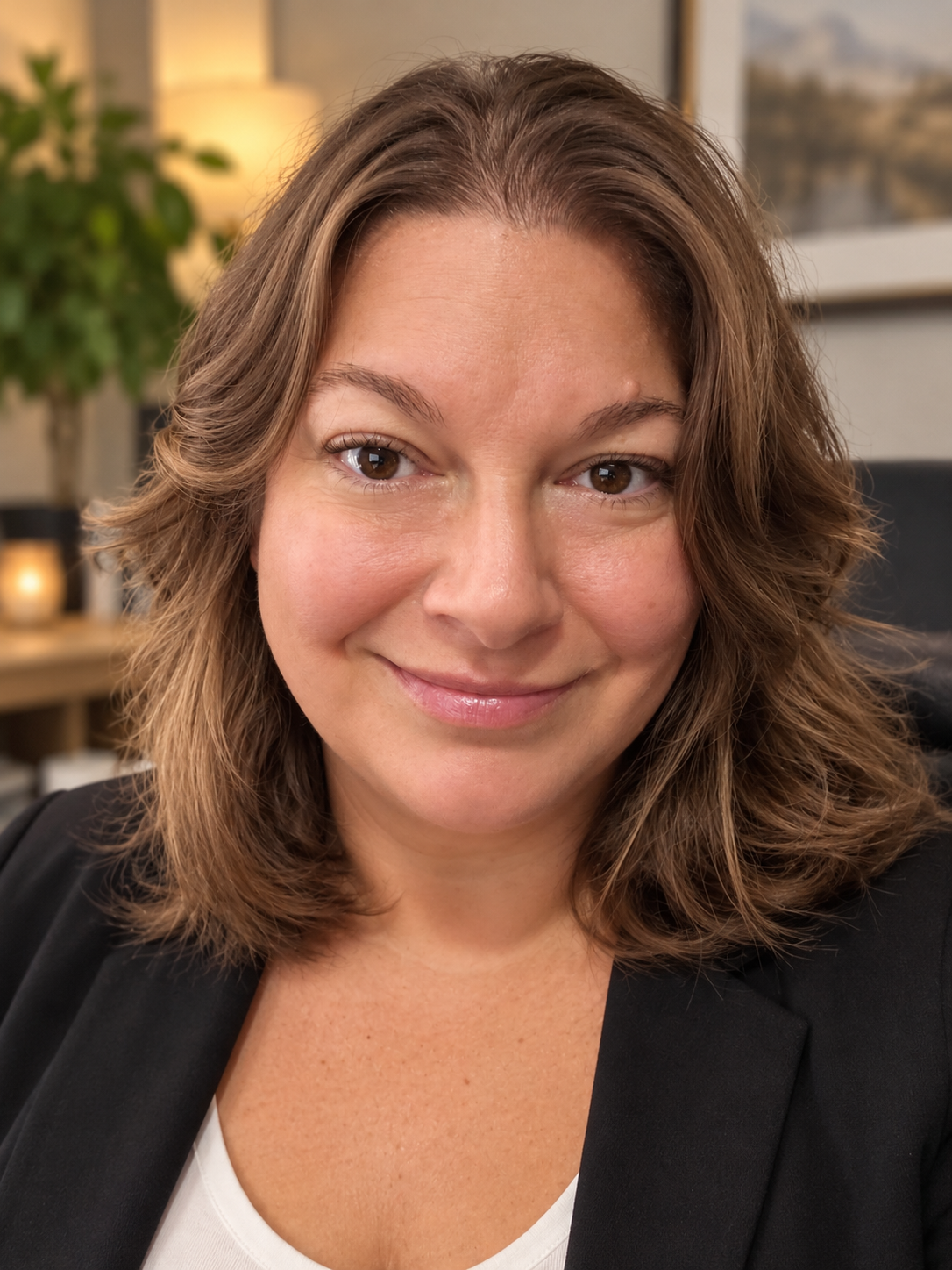
Why I built Designed to Heal 360
I never set out to build an app. I was simply trying to heal.
My journey began long before Designed to Heal existed. Through years of unexplained health challenges, searching for answers, and learning to listen to a body that seemed to be fighting against me, I began discovering how deeply everything is connected.
Then life kept happening. Mold exposure brought another set of health challenges. And when a car accident left me dealing with new injuries, pain, and uncertainty, I found myself fighting to get answers all over again.
But something else happened along the way.
As I worked to heal the physical injuries, I began uncovering emotional wounds I thought had healed years ago. Some I believed were long behind me. Others I didn’t even realize were there.
I started understanding that healing isn’t always about fixing what’s hurting today. Sometimes it’s about discovering what we’ve been carrying for years, how our experiences affect our bodies, and why we respond to things we don’t always understand.
I researched, questioned, experimented, listened, and learned. Not because I had all the answers, but because I was tired of living without them.
That journey became my book, Designed to Heal. And eventually, I realized a book alone wasn’t enough.
I wanted to create something people could actually use in their everyday lives. A place to track symptoms, recognize patterns, explore ways to support their wellbeing, process difficult emotions, reconnect with their faith if they choose, and walk into a doctor’s office with more than just the words, “Something isn’t right.”
Because how many times have you waited weeks, sometimes months, for a doctor’s appointment, only to sit down and suddenly forget half the symptoms you’ve been experiencing?
The pain that kept you awake three nights ago. The strange sensation you couldn’t explain. The dizziness, the fatigue, the symptoms that come and go. The questions you promised yourself you’d remember to ask.
And then the doctor says, “So, what’s been going on?”
Suddenly, your mind goes blank. You remember a few things, forget the rest, and walk out wishing you’d said more. Sometimes you don’t even realize what you forgot until you’re halfway home.
I know that feeling all too well.
That’s why I wanted Designed to Heal 360 to be more than another wellness app. I wanted it to be a place where you could document what you’re experiencing as it happens, recognize patterns over time, and bring those pieces together so you don’t have to rely on your memory when you’re already overwhelmed.
Because your symptoms shouldn’t have to be happening at the exact moment of your appointment for them to deserve attention.
But more than anything, I wanted people to feel heard.
Because I know what it’s like to be exhausted from explaining yourself. To have symptoms you can’t put into words. To feel like you’re doing everything right and still not getting better. To be told you’re fine when you know something has changed.
Designed to Heal 360 wasn’t born from having all the answers. It was born from knowing what it feels like to desperately need them.
I’m still on my own healing journey. I’m still learning, still asking questions, and still discovering pieces of myself along the way.
— Lea Curley, author of the Designed to Heal series